10 Must-Have Tips for Your First Deep-Sea Fishing Adventure
Deep-sea fishing can be an exhilarating experience, perfect for those seeking adventure and a taste of the ocean's bounty. Whether you're a complete beginner or just looking to enhance your first trip, these tips will help you make the most of your adventure. Let's dive into some essential advice that will ensure your deep-sea fishing trip is both enjoyable and successful.
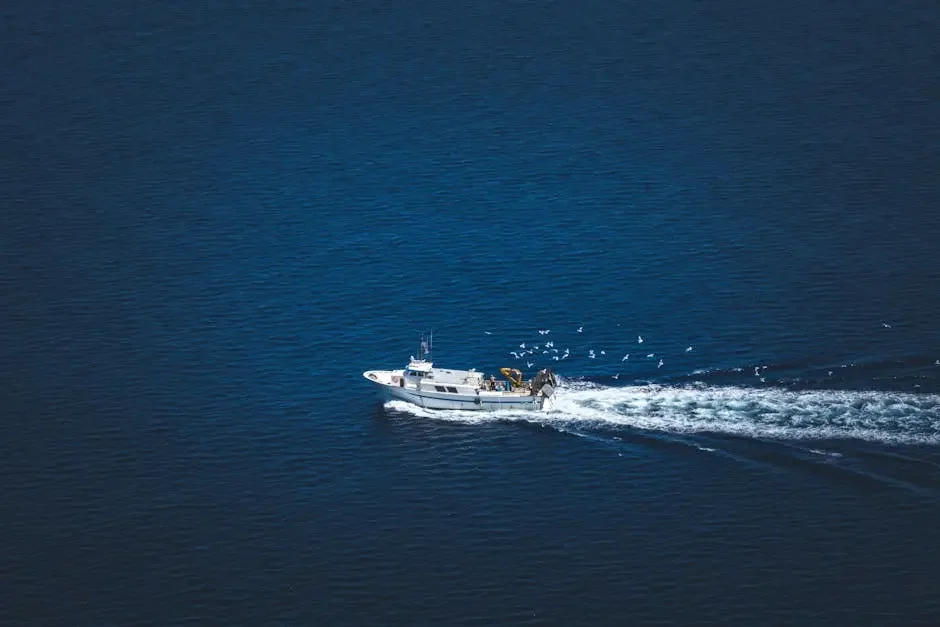
1. Choose the Right Fishing Travel Agency
Selecting a reputable fishing travel agency is crucial. Research their packages, customer reviews, and the expertise of the crew. A good agency can provide you with insights and support, making your trip smoother and more enjoyable.
Moreover, consider reaching out to past customers if you can. Their firsthand experiences can help unveil the pros and cons of different agencies. Don't hesitate to ask questions about the crew's qualifications, their safety practices, and what kind of fishing equipment they provide. Choosing the right agency can make all the difference in turning an ordinary trip into an unforgettable adventure.
2. Understand the Basics of Deep-Sea Fishing Gear
Familiarize yourself with essential gear like rods, reels, and tackle. Knowing the differences between types of fishing equipment will help you make informed decisions when outfitting yourself for the trip.
But gear isn’t just about the rods and reels; it’s also about understanding what each piece does. For instance, learn how to match your line strength to the reel and understand the importance of the right bait for attracting specific fish species. When you're well-informed, you’ll not only feel more confident but also vastly improve your effectiveness on the water.
3. Practice Language of the Sea
Learn basic fishing terminology and communication with your crew. Understanding terms related to the boat, equipment, and species can enhance your experience and teamwork on the water.
Moreover, learning the lingo can create camaraderie among fellow anglers and the crew. Words like 'trolling' and 'catch of the day' might become part of your normal conversations. Not only will this boost your confidence, but it can also help you better follow instructions, making the whole fishing experience smoother and more enjoyable.
4. Pack Smartly for Comfort and Safety
Prepare a checklist of items to bring, such as sunscreen, polarized sunglasses, water, snacks, and a light jacket. Comfort and safety gear will keep you focused on fishing rather than discomfort.
Additionally, think about bringing motion sickness remedies if you're prone to seasickness. It's better to be prepared than to feel unwell while trying to enjoy this amazing experience. A well-thought-out packing list not only enhances your comfort but also sets you up for a stress-free day out on the ocean.
5. Dress Appropriately for the Conditions
Wear breathable, quick-dry clothing and sturdy shoes. Check the weather forecast before the trip to ensure you are prepared for varying marine conditions.
Dressing in layers is often a smart strategy, as ocean temperatures can fluctuate. Start with a moisture-wicking base layer, add a light jacket, and bring along a hat to protect yourself from the sun. The right clothing can make your fishing experience much more enjoyable, allowing you to focus on the exhilarating moments rather than being uncomfortable.
6. Know the Best Times to Fish Deep-Sea
Research peak times for fishing activity based on the species you hope to catch. Early morning or late afternoon often yield better results, so plan your trip accordingly.
Furthermore, lunar phases can influence fish behavior, so consider consulting fishing calendars that predict the best times to go. Aligning your fishing schedule with these insights could dramatically increase your chances of landing that trophy fish. Timing is half the battle, and getting it right will leave you with lasting memories.
7. Learn Basic Fishing Techniques
Brush up on various fishing techniques, such as trolling, bottom fishing, and jigging. Each method has its own skills, so practicing beforehand can improve your chances of a successful catch.
Understanding how to operate your fishing gear properly adds to the overall experience. For instance, learn how to set the hook, reel in a fish, and safely release the catch if you're practicing catch-and-release. Not only will you feel more accomplished, but you'll also be contributing to sustainable fishing practices.
8. Stay Hydrated and Well-Nourished
Fishing can be physically demanding. Drink plenty of water and pack healthy snacks to maintain your energy levels throughout the day.
Being outdoors under the sun for an extended time can be draining, so having snacks like trail mix or energy bars will keep you energized. Staying well-nourished isn't just good for your energy; it also sharpens your focus. You want to be alert and ready when a fish takes the bait!
9. Be Patient and Enjoy the Journey
Understand that fishing requires patience. Enjoy the beauty of the ocean and the thrill of the chase. Sometimes, the experience itself is just as rewarding as the catch.
Use the time spent waiting to connect with your fellow anglers or soak in the breathtaking views surrounding you. Have conversations, share stories, and appreciate the unfiltered beauty of nature. It’s all part of the adventure and makes each moment together memorable.
10. Respect the Ocean and Its Life
Practice responsible fishing by adhering to regulations and guidelines. Respecting marine life and the environment ensures that future generations can also enjoy deep-sea fishing adventures.
Consider participating in local conservation efforts if you form a passion for the sport. Understanding the ecological balance of our oceans and taking care to protect marine habitats enhances your experience and makes you a responsible angler. Not only does it make for sustainable fishing habits, but it also feels rewarding to know you’re playing a role in preserving the ocean's wonders for the future.