Essential Safe Fishing Practices for Beginners
Fishing can be a relaxing and enjoyable hobby, but safety should always come first. Whether you’re casting from the shore or taking a boat out onto the water, having a solid understanding of safe fishing practices is crucial. This guide will introduce you to essential tips that every beginner should know to ensure a fun and secure fishing experience.
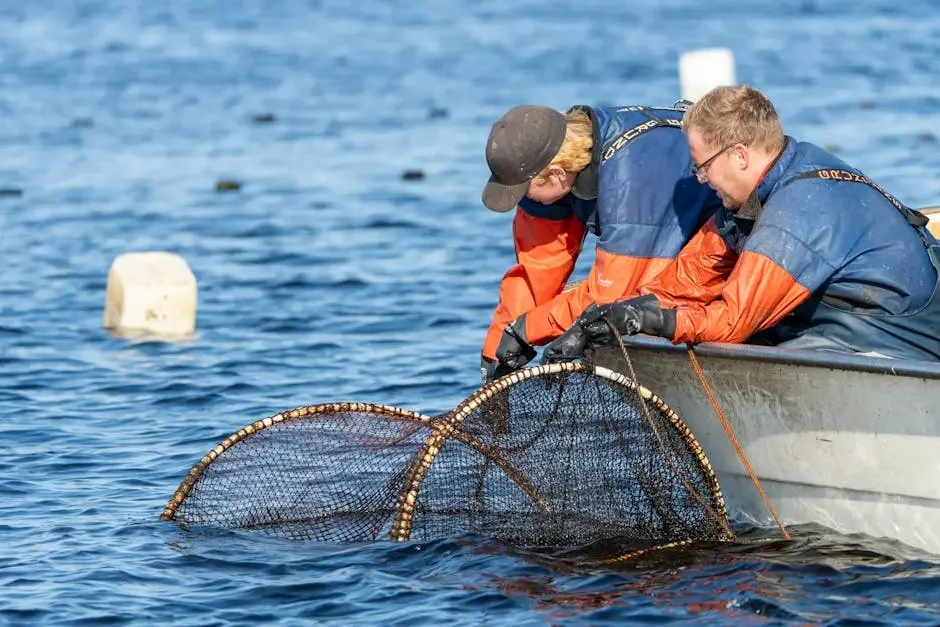
Understanding Your Environment
Knowing the fishing location and its conditions is vital. Pay attention to the weather, water currents, and wildlife that may inhabit the area. Always check for local regulations and restrictions to ensure you're fishing safely and legally.
Moreover, understanding the type of fish you are targeting can enhance your experience significantly. Different species thrive in different environments, and recognizing their preferred habitats can lead to a more successful and enjoyable fishing trip. Take time before your fishing adventure to research what’s currently in season and where they are likely to be found.
As you immerse yourself in nature, also consider potential hazards like rocks, underwater structures, or sudden weather changes. Being aware of your surroundings not only keeps you safe but also enhances your overall fishing experience by allowing you to appreciate the beauty of the environment around you.
Essential Gear for Safety
Investing in the right gear can make a significant difference. Personal flotation devices (PFDs), sun protection, and first-aid kits are just a few essentials that can keep you safe. Make sure your equipment is in good working condition before heading out.
When it comes to personal safety, never underestimate the importance of a good PFD. It should fit snugly and be available at all times. You may not think you'll need it when you’re casting your line, but conditions can change rapidly. Additionally, sun protection is not just smart; it's essential. A broad-spectrum sunscreen, a wide-brimmed hat, and UV-blocking sunglasses can protect you from harmful rays, allowing you to fish comfortably for hours.
Beyond personal safety, carrying appropriate tools is equally important. A well-stocked first-aid kit, a multi-tool or knife, and an emergency GPS can be lifesavers. They may seem cumbersome at first, but having these items at your fingertips cultivates a sense of security and preparedness that enhances your fishing experience.
Fishing with a Buddy
Whenever possible, fish with a friend. Having a buddy not only makes the experience more enjoyable but also ensures that help is available in case of an emergency. Always let someone else know your plans and expected return time.
When planning your fishing trips with a friend, consider dividing responsibilities. One can focus on catching fish while the other watches for signs of changing weather or environmental hazards. This teamwork ensures that each moment spent on the water is both productive and safe, and it also opens up opportunities for exciting conversations and shared memories.
Additionally, cultivating camaraderie with fellow anglers can lead to learning experiences. Sharing tips and techniques can not only improve your fishing skills but also foster a spirit of community among enthusiasts. Remember, the best fishing stories often come from shared experiences, so invite a friend along!
Staying Hydrated and Fueled
Fishing can be physically demanding, especially during hot weather. Stay hydrated by drinking plenty of water and bring snacks to keep your energy up. Avoid alcohol, as it can impair judgment and affect your safety.
Consider packing more than just basic snacks. Nutrient-rich options such as nuts, fruits, and energy bars can provide sustained energy throughout the day. Eating regular meals will keep your mind sharp and your reaction time quick, both of which are vital when you’re out on the water. Staying properly fueled allows you to focus on the adventure rather than your stomach.
Don't forget to monitor the hydration levels of your buddy as well. It's easy to overlook this, especially when you're preoccupied with fishing. A quick reminder to drink water can make all the difference and ensure that both of you are ready to tackle your fishing expedition safely.
Respecting Wildlife and Other Fishers
Be respectful of the environment and fellow anglers. Follow catch-and-release guidelines and clean up any trash. Practice good fishing etiquette to ensure that everyone can enjoy the experience.
Understanding the delicate balance of ecosystems is critical for any angler. By respecting catch limits and using barbless hooks, you can help preserve fish populations for future generations. Remember, fishing isn’t just a sport; it’s a responsibility. Promote sustainable practices to minimize your impact on the environment.
Moreover, always be courteous to fellow fishers. This means keeping noise to a minimum and being mindful of their fishing space. A simple nod or smile can go a long way in creating a friendly fishing atmosphere. When everyone respects one another, the fishing experience becomes richer and more enjoyable for all involved.
Emergency Preparedness
Know how to respond in an emergency. Familiarize yourself with basic first-aid skills and how to handle common fishing-related injuries. Having a plan in place can make all the difference if something unexpected occurs.
Practicing first-aid skills, even if they’re simple, can empower you on your fishing trips. Basic knowledge of how to treat cuts, bites, or stings will keep you calm under pressure. You might consider enrolling in a basic first-aid course to enhance your readiness.
Furthermore, keep a list of emergency contacts and local resources saved on your phone. Knowing where the nearest hospital is located beforehand can save critical time in an emergency. A little preparation can ensure that your fishing trips are filled with fun and adventure rather than unexpected mishaps.
Stay Safe and Enjoy Your Fishing Adventure
By following these essential safe fishing practices, you'll be better equipped to enjoy your time on the water while minimizing risks. Remember, fishing is not just about catching fish; it's about experiencing nature and making lasting memories safely. So grab your gear, head out, and fish wisely!